

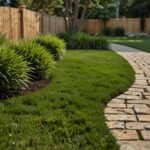




In our fast-paced, hyper-digital world, a deep-seated yearning for authenticity and connection is growing. We find ourselves scrolling through photos of rustic cabins, dreaming of homegrown vegetables, and craving a sense of place that feels truly rooted. What if there was a word that encapsulated this entire philosophy of life? For Lithuanians, that word is sodziu (soh-joo). More than just a farmhouse, a sodziu is the very embodiment of a self-sufficient, family-centered, and nature-harmonious existence that has defined the Lithuanian countryside for centuries. It’s not just a place; it’s a living, breathing cultural blueprint.
What Exactly is a Sodziu? Beyond the Dictionary Definition
Think of a sodziu not as a single building, but as a complete ecosystem of life. It’s the Lithuanian equivalent of a French “mas” or an English homestead, but with a distinct Baltic character. While the word can simply mean “farmstead,” its true meaning is far richer.
A sodziu represents a self-contained family unit where the home, outbuildings, cultivated fields, vegetable gardens, orchard, and surrounding forests all work in concert. It’s a micro-economy and a cradle of culture where traditions are preserved, stories are shared, and life moves to the rhythm of the seasons, not the clock.
The key components of a traditional sodziu include:
- The Main Dwelling: Traditionally a wooden house, often painted in white or soft pastel colors, with a distinctive porch for greeting neighbors.
- The Kluonas (Threshing Barn): The heart of agricultural activity, where grain was stored and processed.
- The Pirčia (Bathhouse): A sacred space for cleansing not just the body but the spirit, a practice steeped in ritual.
- The Garden & Orchard: The source of food, with nothing wasted. Every berry, apple, and potato was cultivated, foraged, and preserved for the long winter.
- The Animals: A few cows, chickens, and perhaps a horse or sheep were not just livestock; they were members of the homestead, providing labor, food, and fertilizer.
The Pillars of the Sodziu Way of Life: Why It Endures
The resilience of the sodziu concept isn’t about nostalgia; it’s about a set of timeless principles that offer incredible value, even in our modern context.
Deep Self-Sufficiency and Sustainability
Long before “farm-to-table” was a trendy restaurant slogan, it was the only way of life on a sodziu. Families produced their own food, made their own clothes, and built their own tools. This created a profound resilience and a direct, respectful relationship with the natural world. There’s a famous Lithuanian saying, “Kas savo neišaugins, tas nevalgys” (He who doesn’t grow his own, won’t eat), which perfectly captures this spirit.
The Unbreakable Family Bond
The homestead was the center of the universe for a family. Multiple generations often lived and worked together, each with their role. Grandparents passed down folk songs and wisdom to grandchildren, while parents managed the daily labor. This created a strong intergenerational thread, keeping language, customs, and a shared identity alive. Companies like Bent Raganų (a Lithuanian craft brewery) tap into this nostalgia, using old family recipes and branding that evokes the rustic, authentic feel of the countryside.
A Living Cultural Repository
The sodziu was where Lithuanian culture refused to die. During periods of foreign occupation when the language and customs were suppressed in public life, they thrived in the privacy of the homestead. Woodcarving, cross-making (a unique UNESCO-recognized tradition), textile weaving, and a vast repertoire of folk songs (dainos) were all preserved within the boundaries of the sodziu.
Sodziu vs. Modern Farm: A Tale of Two Philosophies
To understand its uniqueness, it helps to see how a sodziu differs from a modern commercial farm.
Sodziu Homestead vs. Modern Commercial Farm
| Feature | Traditional Sodziu | Modern Commercial Farm |
|---|---|---|
| Primary Goal | Sustenance for the family & community | Profit maximization & mass production |
| Scale | Small, diverse, and integrated | Large, monoculture, and specialized |
| Technology | Hand tools, animal power, traditional knowledge | Heavy machinery, automation, synthetic inputs |
| Connection to Land | Spiritual, generational, and symbiotic | Economic and operational |
| Biodiversity | High (multiple crops, animals, wild spaces) | Low (focus on a single crop or livestock type) |
This isn’t to say one is better than the other, but rather to highlight that the sodziu’s value lies in its holistic approach to life, not just its agricultural output.
The Modern Sodziu: A Renaissance in the 21st Century
You might think the sodziu is a relic of the past, but you’d be wrong. Today, it’s experiencing a beautiful renaissance, often fused with contemporary values.
- Agrotourism: Many families have opened their homesteads to visitors. Places like “Anykščių sodybelė” offer city dwellers a chance to experience the peace of rural life—feeding animals, baking bread, and sleeping in a traditional home.
- The Organic Movement: The principles of the sodziu align perfectly with organic farming. Young entrepreneurs are revitalizing abandoned homesteads to produce organic cheeses (like the famous “Džiugo”), heirloom vegetables, and craft goods for a growing market that values authenticity.
- A Digital Age Escape: For Lithuanians working in tech in Vilnius or abroad, a family sodziu serves as a cherished weekend retreat—a place to disconnect from screens and reconnect with the earth and family. It’s a physical and mental anchor in a changing world.
How to Bring the Spirit of Sodziu into Your Life (Wherever You Are)
You don’t need to inherit a farm in Lithuania to embrace the philosophy. The essence of the sodziu is a mindset you can cultivate anywhere.
- Grow Something, Anything: Start a herb garden on your windowsill, join a community garden plot, or even grow tomatoes on your balcony. It reconnects you to the cycles of nature.
- Preserve Your Harvest: Try your hand at making jam from seasonal berries, pickling cucumbers, or baking your own bread. These acts of creation are deeply satisfying.
- Create a Family Ritual: Institute a tech-free family meal once a week. Cook together, talk, and share stories. This builds the same strong bonds that were central to the homestead.
- Support Local & Seasonal: Shop at your local farmers’ market. Know who grows your food. This supports a modern network of small-scale “sodziu”-style producers.
- Embrace handmade: Value quality and craftsmanship over mass production. Choose a handcrafted bowl over a disposable one. It’s a small way to honor the artisan spirit.
The sodziu teaches us that a good life isn’t about having more, but about being more connected—to our food, our family, our history, and our land. It’s a timeless lesson that feels incredibly urgent today.
What does your modern “sodziu” look like? Do you have a place or a practice that grounds you? Share your thoughts in the comments below!
You May Also Read: Antarvafna: The Ancient Art of Inner Observation for Modern Clarity
FAQs
How do you pronounce “sodziu”?
It’s pronounced “SO-ju” (the ‘dz’ is a soft ‘j’ sound, like in “jam,” and the ‘iu’ is a long ‘u’ sound). Getting the pronunciation right is the first step to appreciating the word!
Is a sodziu the same as a Russian dacha?
Not quite. A dacha is primarily a seasonal vacation cottage and garden. A sodziu is a permanent, year-round residence and working homestead that forms the core of a family’s economic and cultural life.
Can tourists visit a traditional sodziu?
Absolutely! Agrotourism is huge in Lithuania. You can easily find homesteads that offer overnight stays, traditional meals, and hands-on experiences like cheesemaking or weaving. It’s a fantastic way to immerse yourself in the culture.
Are there any famous examples of a sodziu in Lithuanian literature?
Yes! The concept is central to much of Lithuanian literature. Perhaps the most famous is the Sodušius homestead in the poetry of Maironis, which is idealized as the symbol of national identity and the beauty of the rural way of life.
Is the sodziu way of life completely self-sufficient?
While the ideal was near-total self-sufficiency, Homesteads would still engage in trade at local markets for items they couldn’t produce themselves, like salt, metals, or specific tools. It was about balancing independence with community connection.
What is the difference between sodziu and kiemas?
Kiemas generally just means “yard” or the immediate courtyard area around a house. Sodziu is a much broader term encompassing the entire property, its land, and its way of life.
Is this concept unique to Lithuania?
While the term is uniquely Lithuanian, the concept of a family homestead is universal across many cultures, especially agrarian ones. The uniqueness of the sodziu lies in how it became a bastion for preserving specifically Lithuanian language and culture during times of oppression.